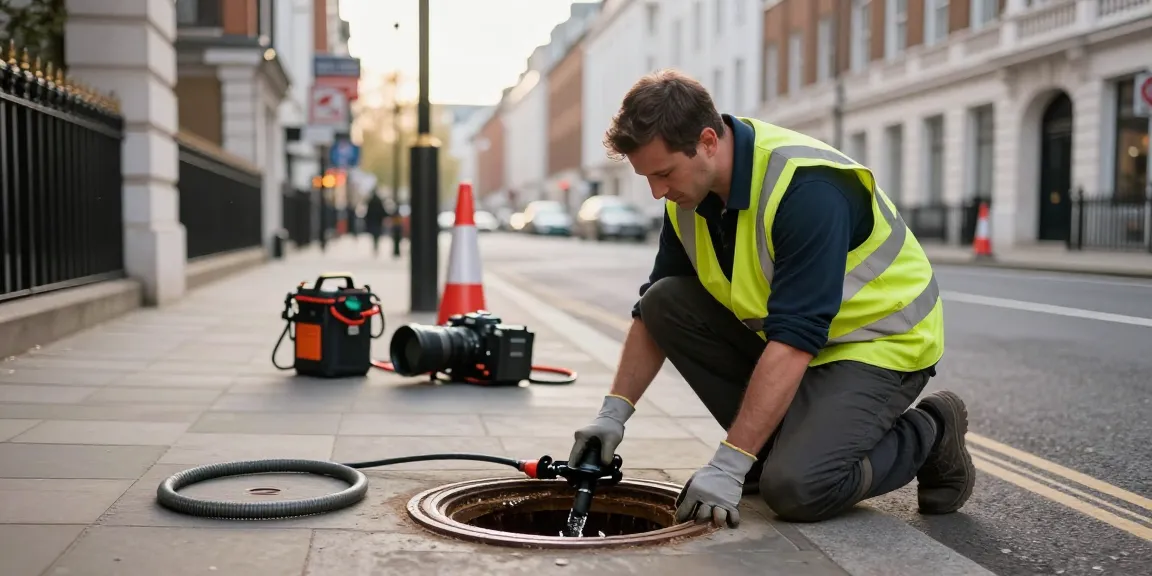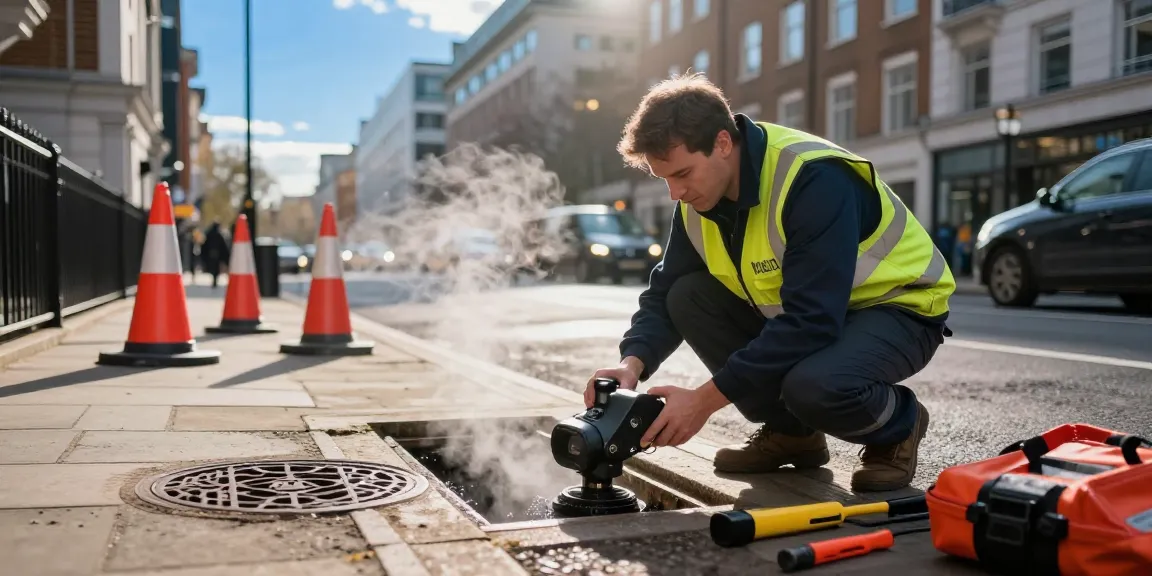
Understanding Blocked Drains in London
Blocked drains are a common issue faced by homes and businesses across London, often resulting in disruptive and costly problems. Understanding the causes, symptoms, and impacts of blocked drains is critical for effective management. When exploring options, blocked drain in London solutions can provide comprehensive insights into maintaining your drainage systems effectively.
What Causes Blocked Drains?
Blocked drains can be attributed to various factors, ranging from simple household habits to environmental influences. Common causes include:
- Grease Buildup: Pouring fats, oils, and grease down the sink leads to accumulation and hardening over time.
- Foreign Objects: Items such as wipes, sanitary products, and food scraps often find their way into drains, causing blockages.
- Tree Roots: In older urban areas, tree roots may infiltrate underground pipes, leading to significant obstructions.
- Debris: Leaves and dirt can accumulate in outdoor drainage systems, especially during autumn.
Symptoms of a Blocked Drain
Recognizing the symptoms of a blocked drain early can prevent more extensive damage. Signs to watch for include:
- Slow Draining: Water pooling in sinks or tubs is typically the first sign.
- Unpleasant Odors: A foul smell emanating from drains often indicates stagnant water or buildup.
- Gurgling Sounds: Noises in the plumbing system can signify air trapped in the pipes due to blockages.
- Overflowing: Severe blockages may lead to backups and overflows, necessitating immediate action.
The Impact of Unresolved Drain Issues
If left unaddressed, blocked drains can cause a series of significant issues, including:
- Structural Damage: Water damage to property due to overflows can lead to costly structural repairs.
- Health Hazards: Stagnant water can become a breeding ground for bacteria and foul odors.
- Financial Burdens: Delayed action often leads to bigger, more expensive repairs and maintenance costs.
Emergency Drainage Services: What to Expect
When faced with a drainage emergency, understanding what to expect can alleviate stress and help you respond quickly. Having access to emergency drainage services is paramount.
24/7 Drainage Services in London
Professional drainage companies offer round-the-clock services to address any drainage issue at any time of the day. This ensures that urgent problems can be dealt with promptly, mitigating the potential for further damage.
Fast Response Times and How They Benefit You
The importance of quick response times cannot be overstated. Companies that guarantee a two-hour response can help minimize damage and disruption:
- Immediate Assessment: Professionals can diagnose the problem swiftly, providing a clear plan of action.
- Efficient Solutions: With the right tools and expertise, they can implement effective solutions quickly.
- Preventative Advice: After resolving the issue, experts can advise on future prevention and maintenance strategies.
Your Role in Emergency Situations
In drainage emergencies, knowing your role can enhance the effectiveness of the response. Here are critical steps to follow:
- Identify the Problem: Determine the symptoms and extent of the blockage.
- Shut Off Water Supply: Prevent further flooding by turning off water at the source if necessary.
- Contact Professionals: Reach out to a reliable drainage service provider with urgency.
Cost Factors for Drainage Services in 2026
Understanding the costs associated with drainage services can help you budget effectively for maintenance and repairs. The price of clearing a blocked drain in London varies based on several factors.
Average Costs for Blocked Drains
As of 2026, the average cost for unblocking drains typically ranges from £100 to £500, influenced by the severity of the blockage and required methods.
Factors Influencing Pricing
Costs can vary due to a number of elements:
- Type of Blockage: Complex blockages tend to be costlier to resolve.
- Location: Accessibility of the drain can impact labor costs — city-center locations may incur higher fees due to logistical challenges.
- Time of Service: Emergency services during unsocial hours may attract additional charges.
Comparative Costs: DIY vs. Professional Services
While DIY solutions may appear cost-effective, they often lack the reliability of professional services. Here’s a quick comparison:
- DIY: Costs can range from £20-£100 for basic tools and chemicals, but risk further damage.
- Professional: Initial costs are higher, but professionals provide lasting solutions with warranties.
Choosing a Reliable Drainage Service Provider
Selecting the right drainage service provider is crucial for effective problem resolution. Here’s what to look out for:
Identifying Trustworthy Companies
Look for companies that are well-reviewed and accredited. Websites showcasing testimonials and case studies are helpful resources for validating the quality of service.
What to Look for in a Drainage Engineer
Qualified drainage engineers should have:
- Certifications: Look for relevant certifications confirming their expertise.
- Experience: Companies with extensive experience tend to have a better track record in handling complex issues.
- Insurance: This ensures liability coverage in case of accidental damage during repairs.
Customer Testimonials and Case Studies
Reviewing past customer experiences can provide valuable insight into a company’s reliability and service quality. Genuine testimonials and documented case studies offer evidence of successful interventions.
Preventative Measures and Maintenance Tips
Proactive measures can save you money and inconvenience in the long run. Here are some maintenance tips to keep your drains in optimal condition:
Regular Maintenance Practices
Consider scheduling regular drain cleanings to remove buildup and avoid blockages. This can be performed by a professional or through DIY methods, such as:
- Flushing with Hot Water: Regularly pouring hot water down the drains can help dissolve grease.
- Using Drain Screens: Installing screens can prevent debris from entering the drainage system.
Common Mistakes That Lead to Blocked Drains
Many blockages arise from simple mistakes. Avoid these common pitfalls:
- Improper Disposal: Ensure that only biodegradable waste goes down the kitchen sink.
- Neglecting Outdoor Drains: Keep outdoor drains clear of debris, especially in autumn.
Future Trends in Drainage Maintenance
Technological advancements will continue to shape the drainage industry. Expect trends such as:
- Smart Sensors: Devices that monitor drainage systems and alert homeowners to issues before they escalate.
- Eco-friendly Solutions: More companies are expected to utilize environmentally friendly products in their cleaning processes.
What are the common signs of a blocked drain?
Common signs include slow draining water, unusual odors, and gurgling noises from your plumbing. Early detection is key to preventing more severe issues.
How can I prevent a blocked drain?
Regular maintenance, proper waste disposal, and monitoring potential problem areas can significantly reduce the risk of blockages.
What should I do in case of an emergency?
Shut off the water supply, assess the situation, and contact a professional drainage service without delay.
How quickly can drainage services respond?
Most reputable companies offer a two-hour emergency response service to address urgent blockages, significantly mitigating potential damage.
What are the costs associated with clearing a blocked drain?
Clearing costs can vary, generally ranging from £100 to £500 based on the complexity of the blockage and service needed.