Understanding Topographical Surveys London
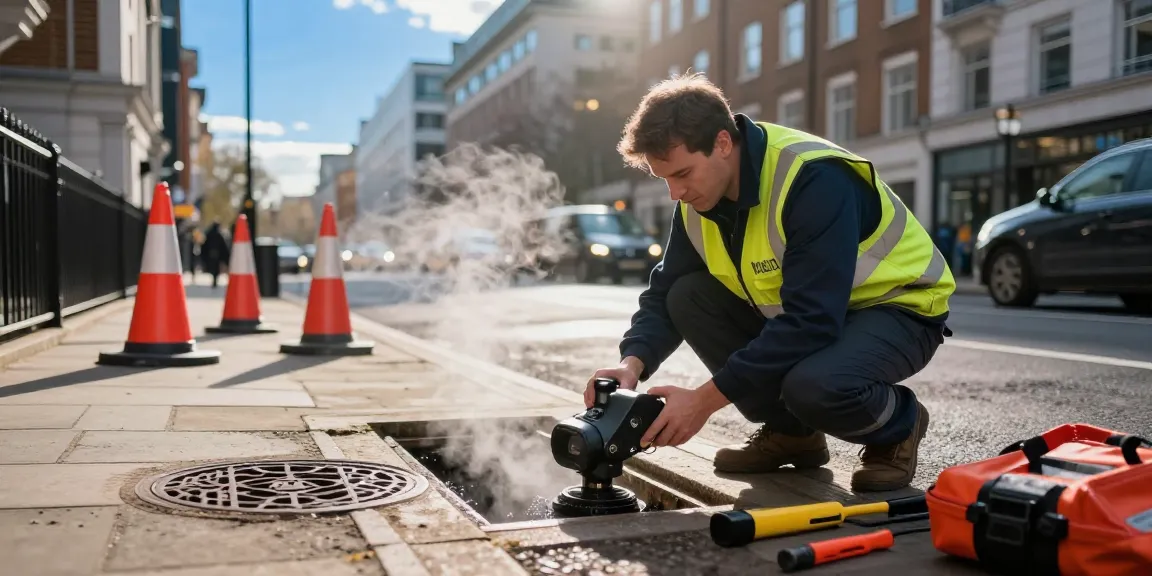
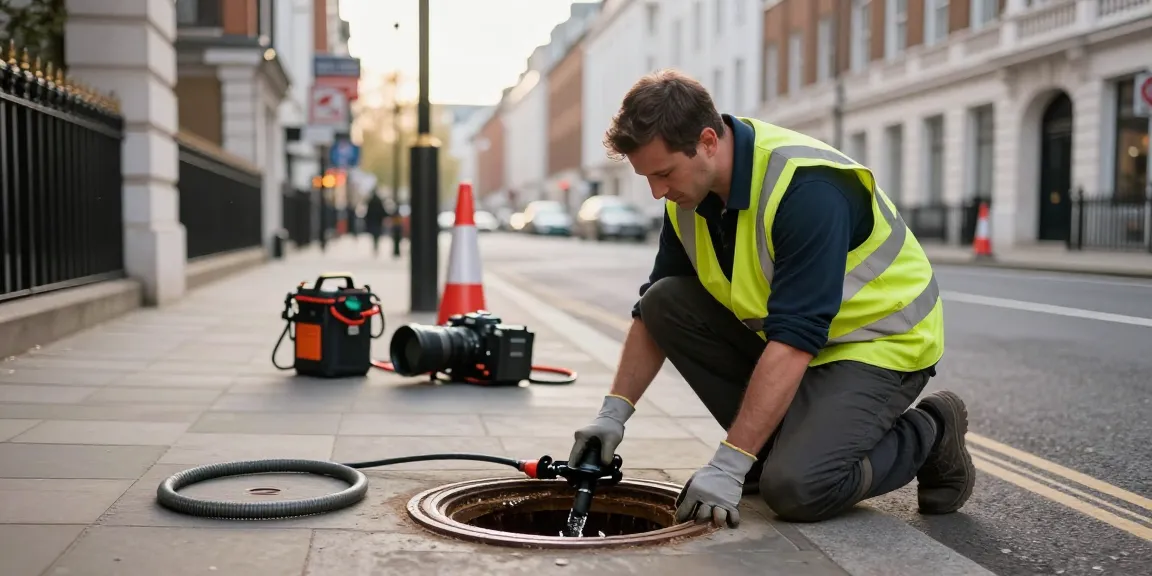
Topographical surveys are a vital component in the planning and development of various projects, especially in urban environments like London. For architects, builders, and developers, these surveys provide essential data, enabling informed decisions that directly impact project success. Accurately mapping the landscape’s natural and man-made features, such surveys ensure that construction aligns with the terrain’s unique characteristics. Whether you’re a homeowner initiating a renovation or a developer planning a large-scale project, you can benefit from engaging professional topographical surveyors. When exploring options, Topographical surveys london offers comprehensive insights into the services available in this domain, helping you make informed choices.
What is a Topographical Survey?
A topographical survey is a detailed representation of the features on a specific plot of land, incorporating both physical and man-made attributes. This includes elevation changes, contours, trees, buildings, roads, and other significant land features. Unlike simple boundary surveys, which focus solely on property limits, topographical surveys provide a comprehensive view that aids in understanding the land’s topology. These surveys are often presented in the form of a detailed map or 3D model, depicting various elevations and features which can be critical for design and planning purposes.
Common Uses for Topographical Surveys in London
Topographical surveys play a crucial role across various industries and applications, particularly in a dynamic city like London. Some common uses include:
- Construction Planning: Ensuring that new buildings and infrastructure projects comply with zoning regulations and land characteristics.
- Land Development: Providing data necessary for site analysis and design, which can significantly influence landscaping and architectural decisions.
- Utility Planning: Assisting in the identification of existing utilities and planning for new systems, ensuring they fit within the topographical constraints of the site.
- Environmental Assessments: Evaluating factors such as flood risks and natural habitats, which are critical for sustainable development.
Benefits of Accurate Topographical Surveys
The importance of accurate topographical surveys cannot be overstated. Here are several benefits they provide:
- Enhanced Design Accuracy: Detailed maps enable architects and engineers to create better designs that harmonize with the landscape.
- Identification of Potential Hazards: Surveys highlight risks such as unstable ground, flood zones, and other environmental concerns.
- Legal Compliance: They often fulfill local authority requirements for planning applications.
- Cost Efficiency: By preventing costly errors related to inaccurate land assessments, these surveys can save significant sums in rework and legal fees.
- Property Boundary Clarity: They clarify ownership and boundary issues, reducing disputes among neighbors.
Identifying Reliable Surveying Services
Choosing a dependable surveying service is essential for obtaining accurate topographical data. With numerous firms offering similar services, it’s vital to distinguish the reliable ones from the less reputable. This section will guide you through key qualifications to look for in surveyors, essential questions to ask before hiring, and red flags to watch out for.
Key Qualifications to Look For in Surveyors
When searching for topographical surveyors, consider the following qualifications:
- Accreditation: Check if they are certified by relevant bodies such as the Royal Institution of Chartered Surveyors (RICS).
- Experience: Look for firms with a proven record in handling projects similar to yours.
- Technology Use: Ensure they utilise modern equipment and software for accurate data collection and analysis.
- Insurance: Verify that they hold adequate liability insurance to protect against potential errors or damages.
Questions to Ask Before Hiring
To ensure you’re selecting the right service, ask potential surveyors the following questions:
- What types of surveys do you specialise in?
- Can you provide references from previous clients?
- What equipment and technology do you employ in your survey work?
- What is your estimated timeline for completing the survey?
- Can I see a sample of a previous report you’ve prepared?
Red Flags Indicating Potential Scams
Be cautious of the following warning signs that may indicate an untrustworthy surveying company:
- No clear company address or contact information.
- Lack of accreditations or certifications.
- Unusually low pricing that seems too good to be true.
- Refusal to provide references or examples of past work.
- Failure to offer a written contract outlining the services provided and costs involved.
Technology in Topographical Surveys
The landscape of surveying has significantly evolved with the introduction of advanced technology. Today’s topographical surveys employ a variety of tools and methods that enhance accuracy and efficiency. Below, we explore modern surveying equipment, the role of drones, and innovations shaping the future of the industry.
Modern Surveying Equipment Overview
Modern topographical surveys rely on several sophisticated types of equipment, including:
- Total Station Instruments: Combining a theodolite and an electronic distance measurement (EDM) tool, this device is crucial for measuring angles and distances with high accuracy.
- GPS Surveying Equipment (GNSS): Global Navigation Satellite Systems are ideal for quick and precise point positioning, particularly beneficial for expansive rural sites.
- 3D Laser Scanners (LiDAR): This technology captures millions of data points rapidly, allowing for detailed 3D modelling of complex terrains.
- UAVs (Drone Surveys): Drones equipped with advanced cameras and software can access hard-to-reach areas efficiently, providing aerial surveys that are both accurate and cost-effective.
- Digital Level Instruments: These are used for precise height measurements and are often combined with contour and spot height surveys.
The Role of Drones in Topographical Surveys
Drones have revolutionised the field of surveying, offering unique advantages:
- Accessibility: UAVs can easily reach difficult or dangerous terrains, ensuring comprehensive data collection.
- Speed: Aerial surveys are completed much faster than traditional methods, significantly reducing project timelines.
- High Resolution: Drones capture high-resolution images that improve data accuracy and detail in mapping.
- Cost-Effectiveness: While initial investments may be higher, the operational costs of drone surveys are often lower, reducing overall project expenses.
Innovations Shaping the Future of Surveying
The surveying industry continues to evolve with innovative technologies that promise to enhance accuracy and efficiency. Some emerging trends include:
- Artificial Intelligence: Utilising AI in data analysis for faster interpretation of survey results and automated report generation.
- Augmented Reality: Allowing surveyors to visualise data in real-time on site, improving decision-making processes.
- Cloud Computing: Facilitating easier data sharing and collaboration between teams, regardless of location.
Cost Factors for Topographical Surveys London
Understanding the costs associated with topographical surveys is crucial for budgeting your project. Prices can vary based on several factors, including the type of survey, the equipment used, and the specifics of the site.
Average Pricing for Different Survey Types
In London, the cost of topographical surveys can range significantly depending on project scope:
- Small residential plots typically start from approximately £450 to £750.
- Medium-sized commercial projects may range from £800 to £1,500.
- Extensive infrastructure sites or highly detailed surveys can exceed £1,500, especially if advanced technology like 3D scanning is employed.
Factors Influencing Survey Costs
Several elements can influence the overall cost of topographical surveys, including:
- Site Size: Larger areas generally require more time and resources to survey, increasing costs.
- Site Complexity: Challenging landscapes, such as those with steep slopes or dense vegetation, require advanced techniques that add to costs.
- Data Requirements: More detailed surveys, such as those needing high-resolution 3D models, will naturally cost more.
- Travel Expenses: If the site is located far from the surveying company’s base, travel costs may be factored into the quote.
How to Get Accurate Quotes
To receive precise quotes for your topographical survey, consider the following steps:
- Provide detailed information about your project and the site, including size and type of terrain.
- Specify what you need the survey for, as this can influence methodology and costs.
- Request quotes from multiple reputable companies to compare pricing and services offered.
- Ask for a breakdown of costs to understand where your money will go.
Preparing for Your Topographical Survey
Preparation is key to a successful topographical survey. Knowing what to expect and how to assist the surveyors can streamline the process and yield better results.
What to Expect During the Survey Process
During the survey, you can expect a systematic approach to data collection. Surveyors will:
- Visit the site to determine the best methods for data collection based on the terrain.
- Utilise various technologies as needed, depending on the project specifics.
- Work carefully to capture accurate data that meets your requirements.
Key Information to Provide Surveyors
To ensure an efficient survey process, provide surveyors with:
- Site boundaries and any relevant planning documentation.
- Details about existing structures and features on the site.
- Any specific concerns or points of interest you want to be addressed.
Documentation Needed for Planning Applications
For planning applications, you may need to provide the following documents:
- The topographical survey report.
- Site maps and existing land use data.
- Environmental considerations relevant to the site.
Frequently Asked Questions
What are the different types of topographical surveys?
Topographical surveys can vary in type based on their purpose, including:
- Boundary surveys
- ALTA/NSPS land title surveys
- Hydrographic surveys
- 3D topographic surveys using LiDAR or UAVs
How long does a topographical survey take?
The duration of a topographical survey can vary, but typically, a small residential site can take a few hours to a day, while larger or more complex sites may require multiple days.
What should I do if I suspect a surveying scam?
If you suspect a scam, cease all communications and report the surveyor to the relevant authorities such as RICS. Always verify credentials before hiring.
How can I ensure my survey data is accurate?
Choose accredited surveyors, ask for references, and ensure you receive a detailed report after the survey. Any discrepancies should be addressed promptly.
What areas do topographical surveyors cover in London?
Topographical surveyors typically cover all areas of London, including both urban and suburban settings, depending on their operational capacity and expertise.